
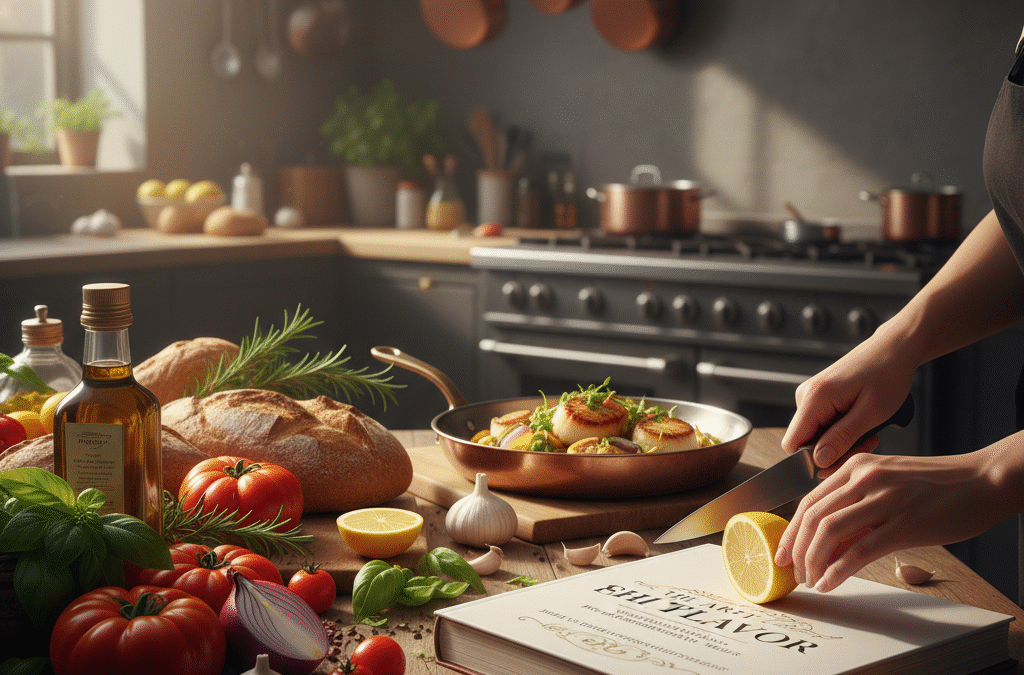
Cooking is more than following recipes — it’s an art of transformation. It’s about taking the simplest ingredients from your kitchen shelf and turning them into something memorable. The real charm of flavor lies in how you combine, balance, and enhance what’s already around you.
You don’t need rare spices or five-star ingredients to create extraordinary meals. All it takes is creativity, curiosity, and the understanding of one fundamental truth — flavor is built, not bought. Let’s uncover how to master the art of flavor using everyday ingredients.
Ingredients Understanding the Language of Flavor
Flavor is more than just taste — it’s a combination of aroma, texture, temperature, and even emotion. Every great dish is built around five basic tastes — sweet, salty, sour, bitter, and umami. Learning to balance these elements helps turn a dish from simple to spectacular.
For example:
- Add a pinch of lemon to salty dishes to brighten them.
- Mix jaggery or honey into tomato-based gravies to round off acidity.
- Sprinkle salt in desserts like chocolate or caramel to enhance sweetness.
Tip: Think of cooking as composing a song — every flavor note must harmonize, not compete.
Ingredients The Magic of Fresh Ingredients
Sometimes, the difference between average and amazing isn’t in the recipe but the freshness of the ingredients. Fresh herbs, ripe vegetables, and good-quality oils can elevate the flavor dramatically.
Tomatoes, for instance, taste naturally richer when they’re ripe and slightly sun-kissed. Fresh coriander or mint adds instant zest to curries and salads. Even a squeeze of lemon just before serving can make food taste livelier.
Pro secret: Always finish your dishes with something fresh — a herb, a zest, or even a drizzle of olive oil. It gives life to every plate.
Ingredients Spices – The Artist’s Palette of Taste
In Indian kitchens, spices are the real artists. They don’t just add heat; they bring depth, aroma, and emotion. Cumin gives warmth, cardamom adds sweetness, mustard seeds bring punch, and turmeric delivers earthiness.
But the secret lies in timing. Adding spices at the wrong moment can make or break the dish.
- Whole spices added early to hot oil infuse deep flavor.
- Powdered spices work best mid-cooking for balance.
- Fresh ground spices sprinkled at the end create aroma and finish.
Example: A simple dal turns extraordinary when you temper it with ghee, cumin, garlic, and red chili — that final touch transforms its flavor completely.
Ingredients The Power of Texture
Texture is the overlooked hero of extraordinary meals. Think about it: crispy samosa shell with soft filling, creamy pasta with crunchy crumbs, or flaky paratha dipped in smooth curry.
To master this, mix contrasting textures consciously:
- Add roasted nuts or seeds to salads and curries.
- Use breadcrumbs or fried onions for a crunchy finish.
- Pair soft foods like mashed potatoes with crisp veggies for variety.
Chef insight: Great dishes keep the tongue guessing — every bite should bring something new.
Ingredients Everyday Staples, Creative Twists
Some everyday foods just need a little imagination to shine. You don’t have to reinvent cuisine, just rethink combinations.
- Rice: Convert leftover rice into tangy lemon rice or spicy fried rice.
- Bread: Turn old bread into garlic croutons or savory pudding.
- Potatoes: Reinvent them — bake, mash, grill, or even stuff with paneer and herbs.
- Eggs: Add diced vegetables and cheese for a fulfilling omelet that doubles as dinner.
Mindset shift: Instead of asking “What can I make?”, start asking “What can I make different?”
6. Sauces and Marinades – The Secret Weapons
Flavor often hides in small touches like sauces, dips, and marinades. They add complexity without effort.
Whip simple sauces using everyday ingredients:
- Mint yogurt dip: Curd + mint + garlic + lemon = freshness in every bite.
- Honey-chili glaze: Honey + chili flakes + soy sauce = sweet & spicy magic.
- Tandoori marinade: Yogurt + ginger-garlic + chili powder + lime = instant flavor for paneer, chicken, or veggies.
These little blends can completely change an ingredient’s attitude — turning plain vegetables into festival-worthy dishes.
7. Balance and Contrast – The Art of Excitement
A flavorful dish often surprises you — a little tang after sweetness, or a gentle spice after richness. Contrast keeps food exciting.
Balance works like this:
- Fat (butter, cream, cheese) smooths sharp flavors.
- Acid (vinegar, lemon, tomatoes) cuts through heaviness.
- Sweetness (honey, caramelized onion) tones down spice.
Practical trick: If your curry tastes flat, add a dash of acidity — lime, vinegar, or even chopped tomatoes will instantly wake it up.
8. Presentation – Flavor Begins with the Eyes
Before food touches your tongue, your eyes taste it first. Beautiful plating enhances how your brain interprets flavor.
You don’t need fine-dining skills — just clean presentation. Use garnishes smartly: chopped herbs for freshness, bright sauces for color contrast, or a sprinkle of chili flakes for energy.
Visual flavor rule: A vibrant plate always “tastes” better because it triggers appetite and curiosity.
9. The Emotion Behind Every Dish
Extraordinary meals aren’t born only from ingredients — they grow from emotion. When you cook with passion, patience, and purpose, it reflects in every bite.
Remember how tea tastes better when made by someone who knows you need it? Or how a meal feels richer when shared with friends? That’s emotional seasoning — invisible but powerful.
Cooking isn’t a duty; it’s a creative journey that connects your senses with your surroundings. Every stir, sprinkle, and aroma you release becomes part of that story.
10. Start Small, Taste Big
You don’t need to be a professional chef to master flavor. Start small — adjust seasoning, play with textures, experiment with herbs. With time, you’ll understand how ingredients behave, blend, and balance each other.
Perfect flavor isn’t a formula — it’s a feeling. The art lies in knowing when to stop, when to season, and when to trust your senses.
Conclusion: Cooking as an Act of Art
Turning everyday ingredients into extraordinary meals isn’t about complexity — it’s about awareness. When you understand what flavors need and how they complement one another, the ordinary becomes exquisite.
So next time you walk into your kitchen, look at your ingredients with new eyes. That simple potato, humble tomato, or handful of rice has endless potential — waiting for your touch to turn it into art. Because true flavor doesn’t come from recipes… it comes from creativity. Contact Us